Google I/O announced some of the biggest changes to search in 25 years. AI Mode crossed a billion monthly users a year after launch, with queries more than doubling every quarter since it debuted. Gemini 3.5 Flash became the default model behind it, worldwide.
Then, the search box itself got rebuilt to take text, images, files, video, and open Chrome tabs at once. With the ability to reason across all of them. The interface where many of your customers start their buying journey now behaves even less like the blue links we know.
Here’s what enterprise marketers must consider from the announcement and moves to take next.
The effects are already on your dashboard
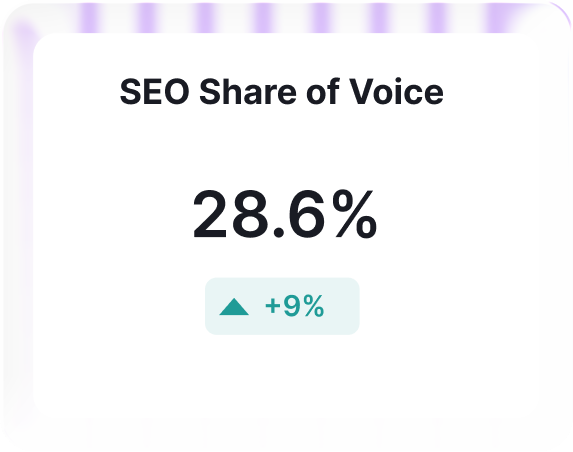
You may have already seen it without naming it. Impressions up. Clicks flat or falling. This is because AI Mode answers the question on the page, so the user reads it and continues their journey without ever clicking through. The impression counted but the visit never happened.
Attribution can prove challenging without dedicated AI search solutions, but that’s not where the customer journey ends.
Brands still track downstream branded queries, direct visits, and assisted conversions over delayed windows, as these can indicate users who first discovered or evaluated the brand through AI search and returned later to continue their research.
Query fan-out demands expanding your topical coverage
Google was open about the query fan-out mechanism. When AI Mode gets a complex prompt, it breaks the prompt into many smaller searches, runs them in parallel against the training data, and stitches the results into one grounded answer.
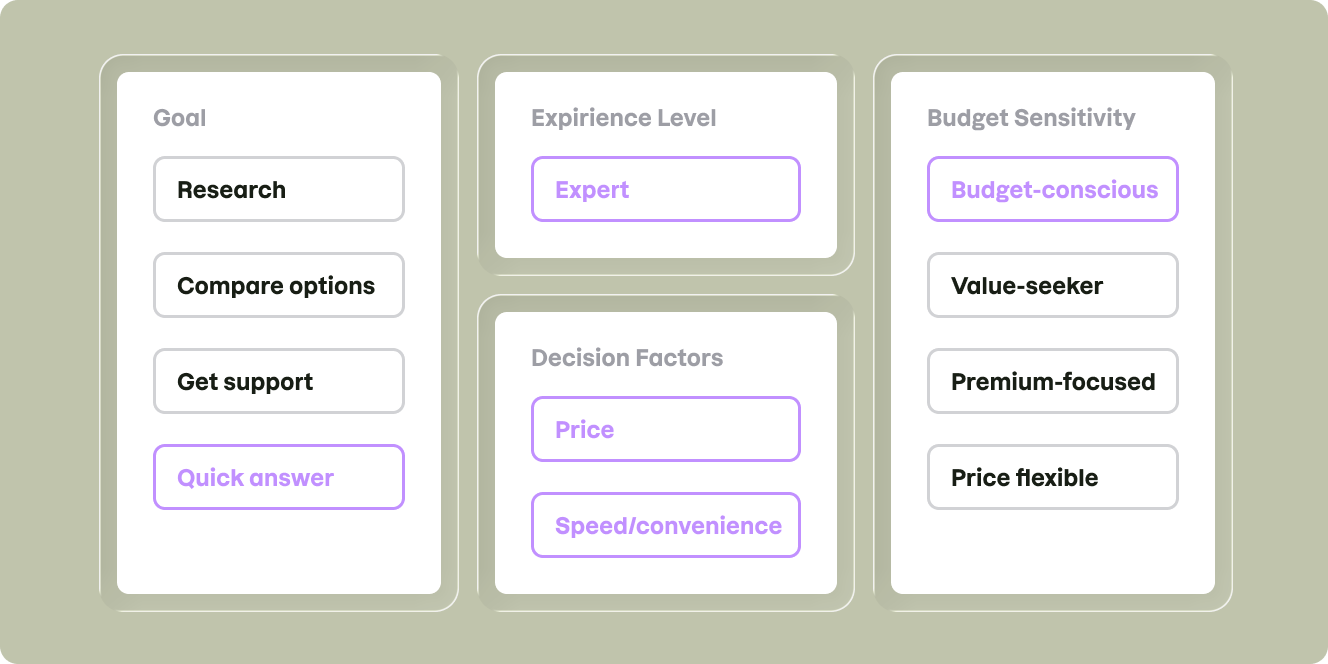
A potential buyer probably doesn't type "enterprise CMS." They type a query with multiple qualifiers, like: “which content platform handles 40 markets and integrates with martech solutions”. That one prompt fans out into multiple sub-queries about integrations, localization, and competitors.
To be the most compelling recommendation, your brand has to hold position across the tree of fan-out queries, not just a single term you've been tracking for years. As it no longer guarantees you’ll be one of the top recommendations. Or even included at all.
SEO remains the foundation, integration should be your goal
Buried in all of this is a line from Google's own guidance that enterprise teams should pin to the wall. Generative AI features are rooted in the same core ranking and quality systems behind regular search. Optimizing for AI answers still starts with SEO fundamentals.
That kills the worst idea floating around right now: spinning up a separate "AI content" track. Google explicitly warns that producing parallel content variations to game AI search trips its scaled content abuse policy. One high-quality page, built on strong technical foundations, with compelling, helpful content, is the play for both surfaces.
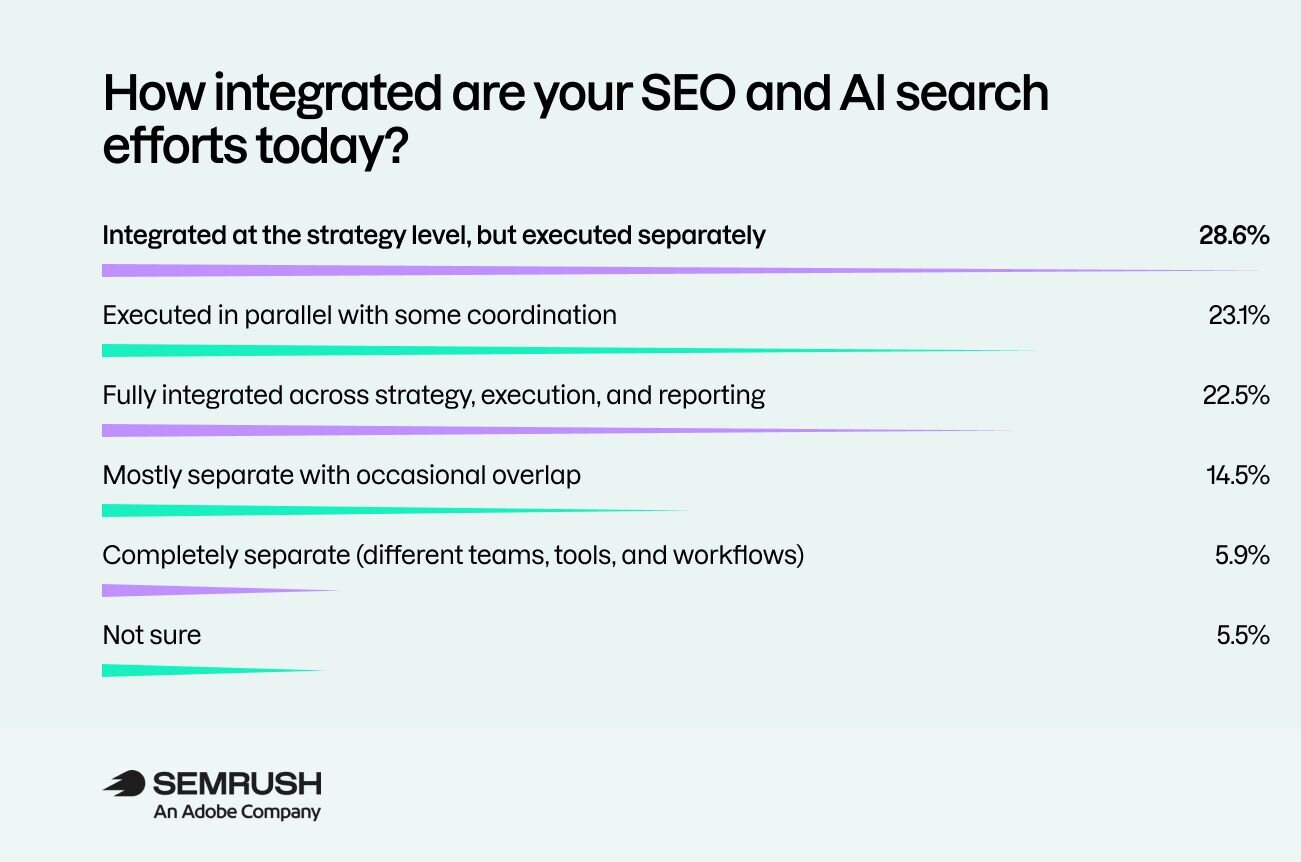
The teams setting up secondary workflows are about to create risk and double their costs, to result in worse outcomes. Our recent survey of 481 marketers found that 81% of marketers with fully integrated SEO and AI search execution report more traffic or leads from AI platforms.
Yet this integration remains a work in progress for most teams.
The moves that matter after Google I/O
Google is accelerating and it won't stop here. Background agents that monitor the web without prompts and Personal Intelligence reaching nearly 200 countries are both already rolling out.
Here's where to put your effort now:
Measure AI visibility at the depth you measure organic
If you're tracking 32 markets in organic search and zero in AI answers, you have a blind spot the size of your biggest growth region. Track how your brand surfaces across the AI platforms your audiences favor, in every market that matters.
Map the query fan-outs for key prompts
Pull the sub-queries the models actually generate from your priority topics. See which branches name you and which drop you. Each gap is a content brief writing itself.
Run AI and organic side by side, on your key topics
This balanced approach means you can prioritize pages that ranks well organically but earn zero AI citations. Or the inverse. Acting on these signals lets you build holistic brand visibility, and this is only clear when data comes from the same source and sits in one view.
Watch AI crawlers and bots, not just Googlebot
AI answers are built from content the models can crawl. If an AI crawler can't reach your key commercial pages efficiently, that content never feeds the answer. Monitor which bots hit your site, how often, and which pages they pull, and catch a crawl problem before it turns into a visibility gap.
STEP BY STEP DEMO
How Semrush for Enterprise enables those moves
The four moves above form the core strategy. Here’s how that strategy becomes execution in Semrush for Enterprise.
AI visibility tracking across 32 markets and 40+ languages
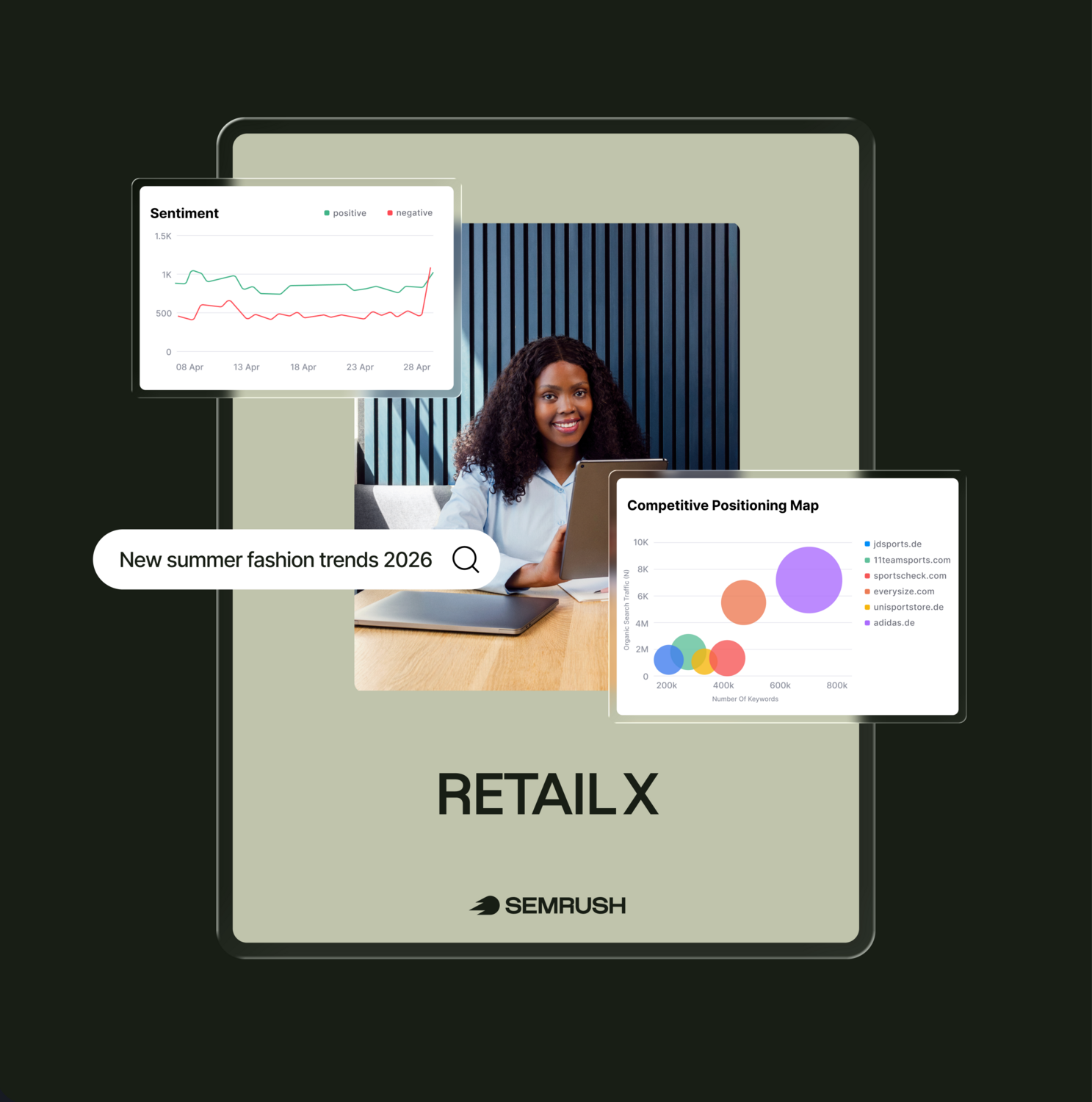
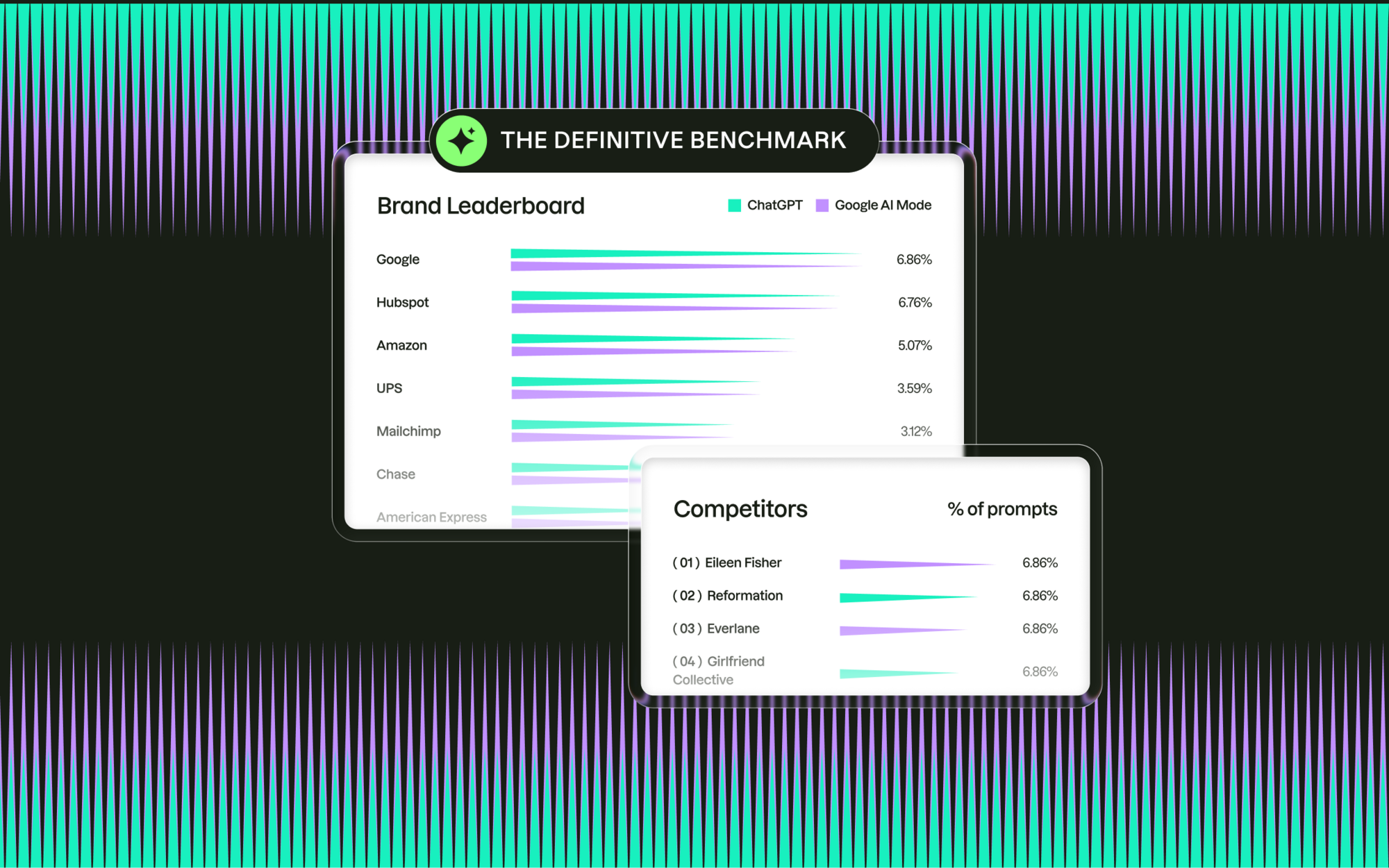
This is the depth-matching piece. Enterprise AI Optimization (AIO) follows your mentions, citations, and sentiment across all leading AI models with total granularity from an overall brand level through to individual product performance. Semrush’s prompt database is qualified with real clickstream panel data, meaning it reflects real user queries, not a sample.
Query fan-out coverage
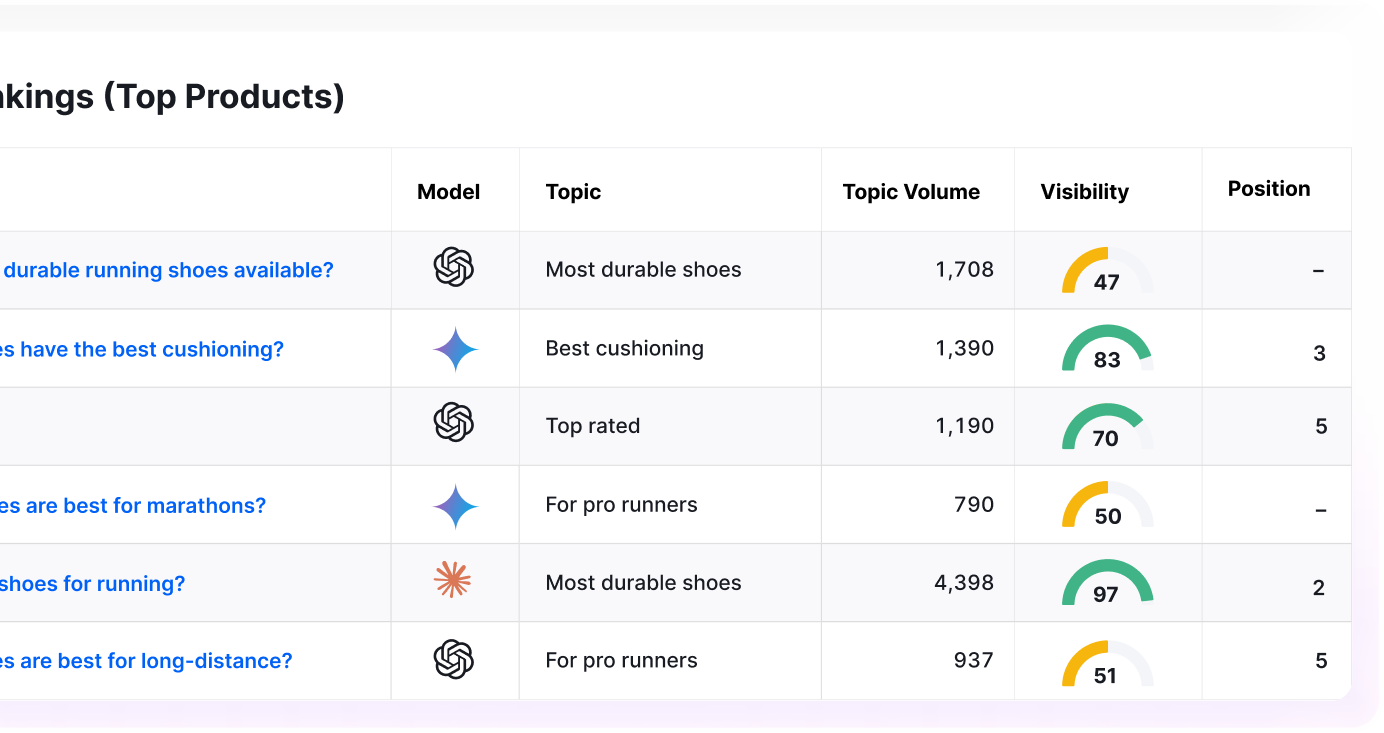
Enterprise AIO tracks the fan-out queries the models generate from your target terms and shows where your brand holds position across each branch and where it drops off. That turns the fan-out tree into a ranked list of content your team can work through.
AI vs SEO Comparison
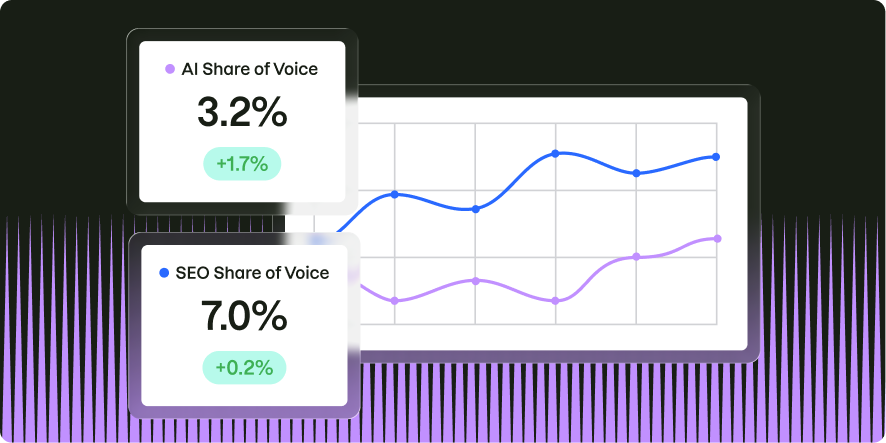
Both Enterprise SEO and AIO offer side-by-side views that put your AI performance and your Google organic performance on the same topics, in one screen. The page ranking first organically but earning zero AI visibility shows up immediately, and so does the page cited in AI answers that's slipping in rankings. You stop guessing which fix comes first.
Content Optimization for both search formats
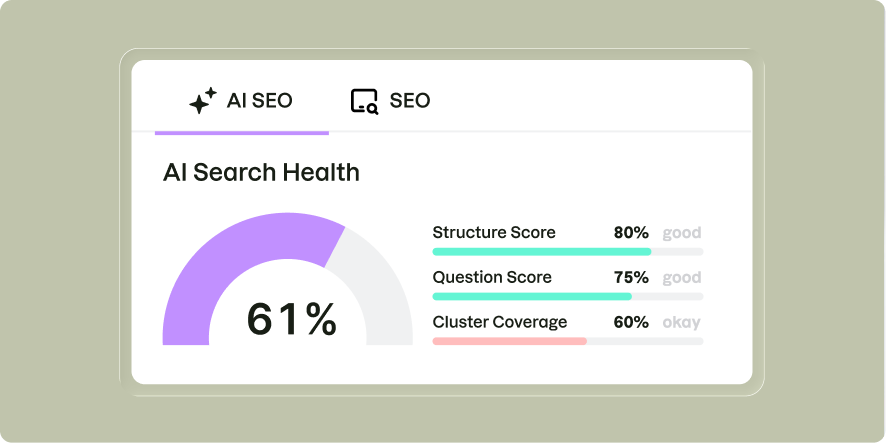
AIO scores a single page for AI citability and organic ranking potential together. One brief with comprehensive recommendations, all based on Semrush’s data. Again, these capabilities are shared across Enterprise SEO and AIO, ensuring your content is high-performing regardless of the solution you’re using.
Bot Analytics to ensure access
Enterprise Site Intelligence monitors technical health across up to millions of pages, and Bot Analytics shows which AI crawlers are reaching your site, which aren’t, and why. All alongside Googlebot data.
Flexible reporting across your BI stack
All Semrush data — AI citations, organic rankings, bot data — can be pulled into customizable, exec-ready reports, or sent straight into your BI platform through the API.
Google I/O signaled the future, it’s time for brands to adapt
The brands moving first on AI Mode are already compounding the lead. Hertz Iceland built their playbook with Enterprise AIO and turned 69% higher AI visibility into 50% more bookings from AI referrals. The approach they built for one segment now runs across every segment.
Google spelled out that SEO is intrinsic to AI search. The teams building real integration between the two channels will spend this year building a lead. The ones waiting for it to settle will spend the coming years trying to close the gap.